

Radiopharmaceuticals and Radiochemicals
for research and clinical use
We are a leading provider of PET-radiopharmaceuticals and radionuclides for the nuclear medicine community. The nuclear medicine community in the Benelux region and beyond successfully uses our GMP-compliant radiopharmaceuticals and radionuclides in all stages of clinical care: from pre-clinical research to clinical studies and commercial usage.
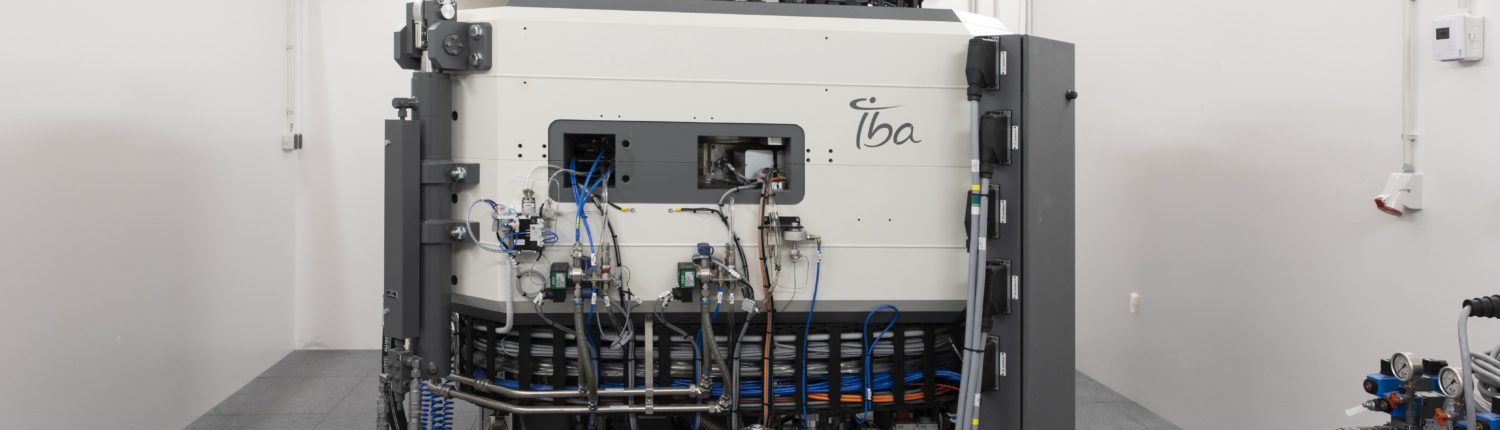
Founded in 1987, BV Cyclotron VU rapidly developed into a well-established producer of radiopharmaceuticals and radionuclides for imaging techniques, such as PET and SPECT. Equipped with three cyclotrons and several clean room facilities, we are at the forefront of the nuclear medicine community, with location on the campus of the VU University Amsterdam.
We currently employ about 30 people. Our portfolio offers seven products, with a production output of 35,000 patient doses per year:
- Iodine-124 [124I
] - Zirconium-89 [89Zr
] - Fludeoxyglucose [18FFDG
] - 81Rb/81mKr Generator

- Type A Transport Container

- Sodium Iodide [124I for Injection
]
*Other 18F-tracers: – Fluoromethycholine – Florbetaben – Sodium Fluoride [18F
]News and articles that we find of particular interest:
Study validates the use of Cerenkov Luminescence Imaging for evaluation of 89Zr-rituximab in NHL using Humanized Transgenic Mouse Model
8/4/2013: With the purpose of studying the application of Cerenkov Luminescence Imaging (CLI) for non-Hodgkin's lymphoma (NHL) using PET, researchers from the Molecular Imaging Program at Stanford (MIPS) employed 89Zr-labeled mAb rituximab as tracer, in a humanized transgenic mouse model expressing human CD20 (huCD20). The results could establish a correlation between CLI and PET. 
89Zr-labeled panitumumab reveals potential for immuno-PET of HER-1 expressing carcinomas
Pilot study to test the clinical feasibility of PET/CT lymphoscintigraphy with 89Zr-nanocolloidal albumin for identification of sentinel nodes has positive results
6/2/2013: In a continuing effort to improve the fine techniques used for precise detection of ever smaller and more hidden tumors, researchers from the Department of Otolaryngology/Head and Neck Surgery of the VU University Medical Center (Amsterdam, The Netherlands) have recently published the outline of their latest endeavor.